The Dollar Milkshake Theory Explained
By sarah-jenkins
Financial Analyst
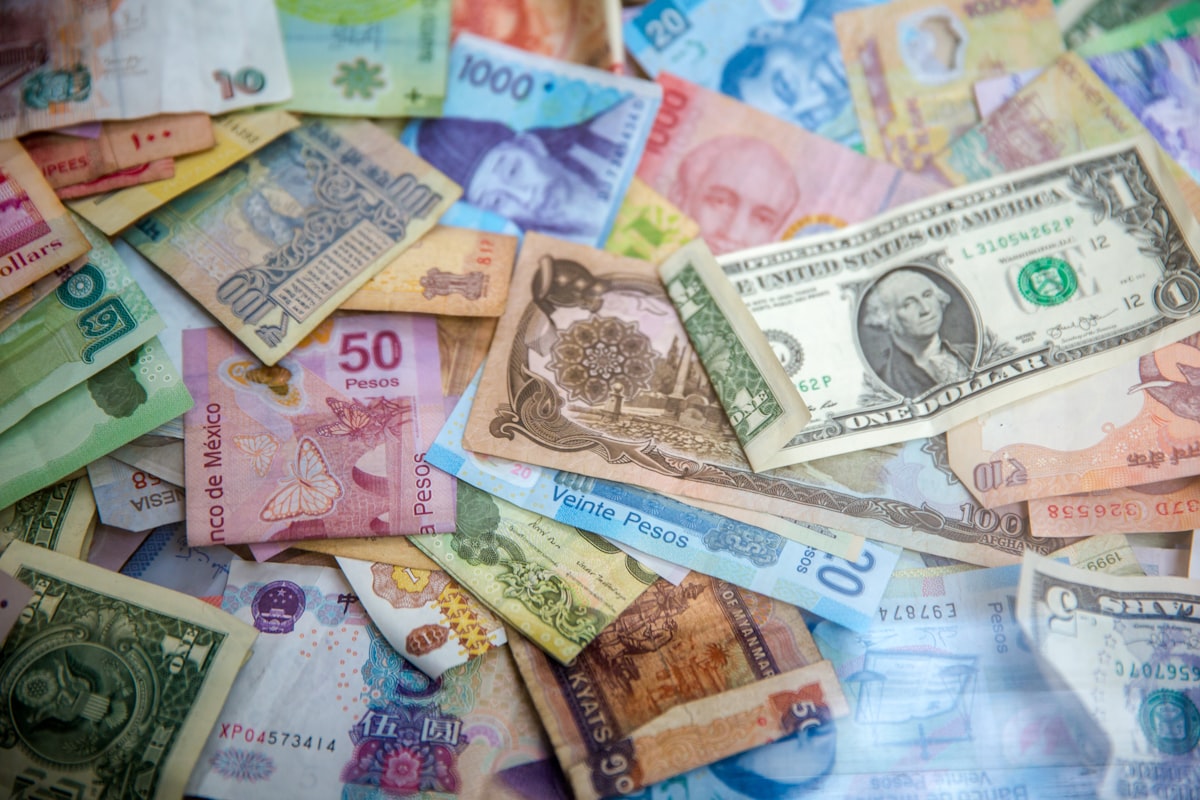
In the world of macroeconomics, few theories are as debated as the “Dollar Milkshake Theory.” Coined by Brent Johnson of Santiago Capital, it offers a counter-intuitive view on the future of the global monetary system.
The Premise
The theory rests on two pillars:
- Global Dollar Debt: The world has borrowed trillions in US Dollars. To pay off this debt, countries and corporations need to acquire dollars.
- Relative Strength: While the US economy has issues, it is the “cleanest dirty shirt” in the laundry basket. Compared to Europe, Japan, or China, the US looks relatively attractive.
The Milkshake Metaphor
Imagine the global liquidity (money) is a milkshake. The US Federal Reserve has a giant straw. When they raise interest rates (Quantitative Tightening), they are essentially sucking the liquidity out of the global system and back into the US Dollar.
The Consequences
As the dollar strengthens:
- Emerging Markets Crush: Countries with dollar-denominated debt see their payments skyrocket.
- Asset Deflation: Global assets get sold to raise cash (dollars).
- The Sovereign Debt Crisis: Eventually, the dollar gets so strong it breaks the system, forcing a “reset” or a massive pivot by the Federal Reserve to print money again.
What It Means for Investors
If the theory holds true, holding cash (USD) and high-quality US assets might outperform international equities in the short to medium term, until the central banks are forced to change course.